


- What Is Shopify Content Testing?
- Why Content Testing Matters to Your Shopify Store?
- Methods to Run Content Testing Effectively in Shopify
- 5 Steps to Run a Content Test in Shopify
- What to Test: High-Impact Content Elements
- Measuring Results and Avoiding Common Pitfalls
- Conclusion: Turning Content Insights Into Conversion Wins
- Frequently Asked Questions about Content Testing
Every piece of content on your website influences how visitors perceive your brand. A single headline, product description, or call-to-action can determine whether someone stays to explore or leaves within seconds. Yet, many marketers still rely on instinct rather than evidence when deciding what copy or visuals work best.
That’s where content testing comes in. Instead of guessing, teams use real data to understand how users respond to different versions of their content. Whether the goal is to improve clarity, engagement, or conversion rate, content testing provides the insights needed to create messages that truly resonate with your audience.
What Is Shopify Content Testing?
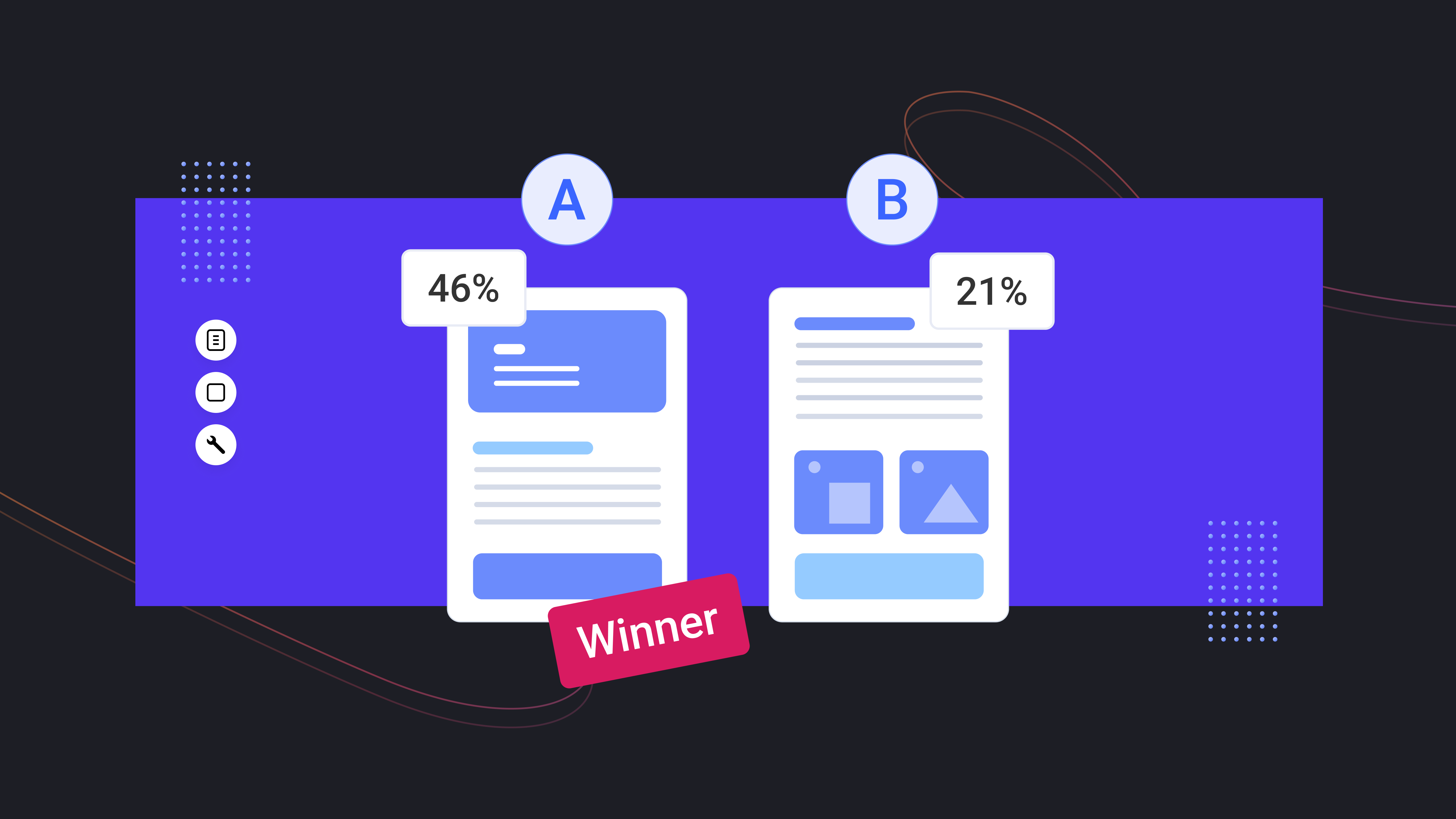
Shopify content testing refers to the process of evaluating how shoppers interpret and respond to your store’s content, from product descriptions and headlines to calls-to-action and visuals. The goal is to understand which message or layout communicates value most clearly and drives the strongest user response.
Instead of relying on assumptions, merchants can use data to guide creative decisions. Shopify content testing allows store owners to see how small wording changes, different tone choices, or new visuals influence engagement, conversions, and revenue.

Why Content Testing Matters to Your Shopify Store?
Content shapes how shoppers perceive your brand and decide whether to buy. Clear, relevant messaging builds trust, while confusing copy or visuals creates hesitation and drop-offs. Content testing helps merchants uncover which words, layouts, or tones of voice resonate most with visitors and drive higher engagement.
Validated content reduces guesswork and strengthens brand communication. Merchants can refine product descriptions, headlines, and CTAs based on real user behavior instead of assumptions. Each test builds a more consistent experience across the store – one that feels credible, easy to navigate, and aligned with what customers expect.
As a result, conversion rates improve naturally. The insights gathered from testing not only optimize single pages but also enhance the overall customer journey. Every change becomes a step toward a store that communicates clearly and sells with confidence.
Methods to Run Content Testing Effectively in Shopify
Shopify content testing becomes most valuable when it turns insights into clear actions. Merchants can test copy, visuals, and layouts directly on their store pages using practical methods that combine data and real user behavior.
1. A/B Test the Content for Shopify Pages
A/B testing remains the most reliable way to measure how different content versions perform. When two variations of a product page, landing page, or banner are compared, the results reveal which layout or wording drives stronger engagement.

Modern testing tools for Shopify can divide traffic automatically, collect performance data, and identify statistically confident winners. These experiments demonstrate how small adjustments in messaging can influence clicks, user interaction, and overall conversions.
2. Behavioral Tracking and Analytics
Behavioral data shows how shoppers interact with your content once the page loads. Heatmaps, scroll depth, and click tracking highlight what captures attention and where users drop off.
This method helps prioritize which sections need improvement. For example, low interaction with a banner may suggest unclear messaging or weak visuals. When combined with A/B testing results, behavioral analytics reveal both what happened and why it happened.
3. User Feedback and Quick Surveys
Direct user input provides qualitative insight into perception and tone. Short post-purchase or on-site surveys can uncover whether content feels clear, trustworthy, and relevant.
Shopify merchants can integrate lightweight survey tools or collect feedback to understand the reasoning behind customer actions. These insights add context to numerical data, helping shape content that resonates emotionally as well as functionally.
5 Steps to Run a Content Test in Shopify
A content test on a Shopify store reveals how specific changes in copy, layout, or visuals influence engagement and conversions. The process involves a few structured steps designed to produce reliable insights and measurable results.
Step 1: Define the Hypothesis and Success Metrics
A strong test begins with a focused goal.
Start by identifying the element you want to improve. It could be a headline, a call-to-action, or even a product description.
Next, think about what you want to achieve with that change. Whether it’s increasing clicks, driving conversions, or keeping visitors engaged longer, choose measurable metrics to track. Defining clear goals and success metrics keeps your test focused and ensures you can act on the results.
Step 2: Select the Right Testing Method
Choosing the right testing method is essential for reaching your content goals. For comparing two variations of a page directly, A/B testing is the go-to approach. It allows you to test a single change, such as tweaking a headline or adjusting a CTA button, and see which version drives better results.
If you’re testing multiple elements at once, multivariate testing comes in handy. It helps you understand how different combinations of content changes affect user behavior, like testing a headline with multiple images or CTAs.
For seamless testing, consider using a Shopify app for A/B testing to streamline the process. GemX is an excellent choice for Shopify merchants, offering easy setup and powerful tools to run A/B tests across your store. With GemX, you can quickly experiment with different content variations and gain clear insights, helping you make data-driven decisions that improve conversions.
banner-2
For Shopify merchants with limited traffic, preference tests or surveys are ideal for early-stage validation. These solutions allow you to gather user feedback without needing large volumes of traffic.
Step 3: Create Content Variations
Now it’s time to create different versions of your content based on the hypothesis you defined. Focus on changing just one key element at a time, whether it’s a headline, call-to-action, or image. This makes it easier to pinpoint what’s driving the difference in performance.
By keeping all other variables the same, you ensure that the results are clean and reliable, making it easier to understand which change had the biggest impact.
Learn more: How to Create a Template Testing Experiment in GemX
Step 4: Launch the Test and Collect Data
Once you’ve set up your content variations, publish both versions and ensure they run under the same conditions. Splitting traffic evenly between the variations is essential for maintaining consistency.

It’s recommended to let the test run long enough to collect statistically reliable data, as stopping too soon can result in skewed findings and reduce the test’s accuracy.
Pro tip: Aim for at least 2 weeks, depending on traffic, to ensure solid insights.
Step 5: Analyze Results and Apply Learnings
After the test concludes, you should carefully analyze the data to determine which version performed better. Don’t just focus on overall conversion rates; instead, examine user behavior, such as engagement trends and areas where users drop off.

Once you identify the winning version, apply those insights to similar pages or future campaigns. Each completed test provides valuable knowledge that refines your content strategy and makes future optimization more effective.
What to Test: High-Impact Content Elements
Every page contains multiple elements that shape how users feel and act. Testing the right ones first delivers faster insights and stronger conversion gains. GemX helps you isolate these elements and measure their real impact across different versions of your store pages.
Headlines and Value Propositions
The headline often decides whether a visitor stays or leaves. Test different ways of presenting your value — benefit-focused, urgency-driven, or emotional — to see which connects best with your audience. A small change in wording can influence click-through rate and time on page.

Learn more: GemX Use Case Series: A/B Test Multiple Headlines
Product Descriptions and Feature Highlights
Strong product copy explains value, not just features. Test how different tones or formats affect conversions — storytelling versus bullet points, technical specs versus benefit statements. GemX allows you to compare two versions of a product page and identify which messaging approach delivers higher add-to-cart rates.
CTA Copy and Button Microtext
Calls-to-action guide the next step. Test phrasing, button labels, or even punctuation to discover what drives more clicks. Clear, confident language usually performs better than generic terms like “Submit” or “Learn More”.

Visuals: Images, Banners, and Icons
Visuals create emotion before words do. Test variations in product photography, banner design, or icon style to understand what increases engagement. Clarity and relevance often outperform complex visuals that distract from the main offer.
Page Layout and Content Hierarchy
The order and spacing of content affect how users absorb information. Test layout changes like moving testimonials higher, adjusting image placement, or simplifying navigation.

Learn more: Iterating Value Proposition Copy for Higher Conversion
Measuring Results and Avoiding Common Pitfalls
Testing without proper measurement turns data into noise. Every experiment needs clear evaluation criteria to confirm which version performs better and why. GemX provides built-in analytics to track essential metrics, making performance comparison fast and reliable.
Key Performance Metrics to Track
A meaningful test goes beyond a single metric. Conversion rate often serves as the primary measure of success, yet supporting indicators provide crucial context:
- Click-through rate (CTR): Reflects how effectively the content captures attention and motivates users to take the next step.
- Time on page: Indicates whether visitors stay engaged long enough to consume the message or explore deeper pages.
- Bounce rate: Reveals friction points in the page experience where users lose interest or encounter confusion.
- Average order value (AOV): Shows the persuasive strength of your copy and how well it encourages higher spending or multiple-item purchases.
Evaluating these metrics together provides a complete view of user behavior and confirms that performance improvements are genuine, not coincidental.
Understanding Statistical Confidence
Strong results require enough data.
Reliable results depend on a sufficient amount of data. Tests that end too early often exaggerate differences that fade over time. Statistical significance determines whether one version performs better because of genuine improvement or random variation. Most CRO experts recommend reaching at least a 95% confidence level before identifying a winning variation.
GemX calculates this automatically during your test, so you can act on validated outcomes instead of assumptions.
Learn more: How to View and Read Analytics in Your Template Testing Experiment
Common Testing Mistakes and How to Avoid Them
Several recurring issues can weaken even a well-planned experiment. Recognizing them early helps maintain accuracy and credibility in every content test:
- Testing too many variables at once: Changing multiple elements makes it impossible to identify which specific factor influenced performance.
- Ending tests too early: Stopping as soon as results look positive often leads to false confidence and unreliable conclusions.
- Ignoring contextual factors: Seasonality, audience intent, or shifts in traffic sources can distort outcomes and hide the true driver of change.
Reliable testing requires discipline and patience. Each experiment should focus on one clear variable, run long enough to gather stable data, and be analyzed within the proper context.
Conclusion: Turning Content Insights Into Conversion Wins
Consistent content testing transforms guesswork into growth. Each experiment reveals how visitors think, what messages inspire trust, and which elements drive action. The insights gained from these tests compound over time, helping your store deliver experiences that feel more relevant and persuasive.
GemX gives Shopify merchants the tools to test ideas safely and measure impact with clarity. By validating your content before scaling campaigns, you build a store that grows through evidence, not assumption. Every click, scroll, and purchase becomes an opportunity to learn and to convert smarter next time.
Frequently Asked Questions about Content Testing
What is the content testing method?
Content testing is a research-based process that compares multiple versions of a page or message to evaluate clarity, engagement, and persuasiveness. It helps identify which wording, visuals, or layout drives a stronger user response. By applying content testing in a Shopify store, you can validate creative ideas before scaling them across campaigns.
How can I test content with real users?
Real user testing involves showing content variations to actual visitors and collecting behavioral data or direct feedback. You can run preference tests, surveys, or live experiments using GemX: CRO & A/B Testing for Shopify. This approach helps uncover how users perceive your messaging and which version encourages stronger action.
How long should I run a content test?
A content test should run long enough to collect statistically reliable data. 2-4 weeks is typical for most Shopify stores, though high-traffic pages may reach significance sooner. Ending a test too early can lead to false conclusions, so it’s essential to wait until results stabilize before applying changes.
Can small Shopify stores still benefit from content testing?
Yes. Even with moderate traffic, content testing reveals valuable insights into user intent and message effectiveness. Smaller stores can start with focused experiments on key landing or product pages. Over time, consistent testing helps refine content, increase trust, and support steady conversion growth across the entire Shopify site.


